Reliable Hardwood Cleaning Services You Can Trust
Rejuvenate Your Space: Professional Tips for Hardwood Floor Refinishing That Captivates
Restoring hardwood floors can change a space dramatically. Many homeowners ignore the indicators that show their floors need refinishing. Common problems include scratches, dullness, or uneven surfaces. Understanding the benefits of refinishing, together with the correct techniques and tools, is vital for achieving stunning results. However, steering through the process can be overwhelming. What are the key steps and common pitfalls to avoid? The answers may surprise you.

How to Determine If Your Hardwood Floors Require Refinishing?
When determining whether hardwood floors require refinishing, homeowners should check for particular signs of wear and damage. One major indicator is the visibility of scratches, dents, or deep scuff marks that reduce the floor's appearance. Furthermore, if the finish appears dull or worn, especially in high-traffic areas, it may signal the need for refinishing. Homeowners should also look for water stains or discoloration, which can suggest moisture damage. A simple test involves pouring a few drops of water on the surface; if the water beads up, the finish is still intact, but if it absorbs, refinishing is likely necessary. Moreover, if the wood has become splintered or rough to the touch, it may require attention. By examining these signs, homeowners can make informed decisions about whether their hardwood floors need refinishing to restore their beauty and durability.
Benefits of Hardwood Floor Refinishing
Refinishing hardwood floors provides numerous important advantages that can significantly improve a home. It both elevates the floors' visual appeal and increases home value while extending the wood's longevity. Homeowners can benefit from an updated aesthetic while making an intelligent investment in their residence.
Improved Cosmetic Attractiveness
Refinishing wood floors can substantially boost the overall appearance of a space, as it revives the wood's inherent elegance and gleam. This process removes wear marks, indentations, and color changes, exposing the pristine, dynamic pattern beneath. A newly refinished floor can revolutionize a room, making it feel warmer and more unified. The decision of finish—whether flat, semi-gloss, or polished—additionally enables homeowners to tailor the look to their personal style and existing decor. In addition, refinishing gives an opportunity to change the stain color, providing a new outlook and updating the ambiance. At its core, a well-refinished hardwood floor functions as a stunning focal point, elevating the total look and feel of any space.
Improved Property Equity
The value of a well-maintained home often copyrights on its visual appeal and practical elements, with hardwood floors serving a crucial function. Refinishing hardwood floors not only enhances their beauty but also considerably contributes to a home's overall market value. Home buyers commonly perceive refinished floors as a mark of quality and meticulous maintenance, making properties with recently resurfaced hardwood floors more desirable. Homes featuring these floors can command higher sale prices, as buyers are commonly ready to spend additional funds on spaces that require less immediate upkeep. Additionally, a polished hardwood floor creates an appealing ambiance, drawing interest from more potential purchasers. Fundamentally, refinishing hardwood floors is a strategic upgrade that generates value via increased property value.
Extended Floor Lifespan
Homeowners who prioritize maintaining their hardwood floors frequently discover that refinishing significantly prolongs the life of these surfaces. By eliminating surface imperfections, dents, and staining, refinishing renews the wood's original appeal and durability. The procedure entails sanding the upper layer, removing flaws and enabling the application of new protective coating. Consequently, the flooring receives enhanced protection from everyday use, water exposure, and ultraviolet harm. Regular refinishing can prevent the need for costly replacements, making it a smart investment in home upkeep. Furthermore, keeping the flooring in optimal condition promotes a more wholesome interior atmosphere, since refinishing aids in blocking allergens and particles. Ultimately, refinishing is essential for longevity and durability.
Essential Tools and Supplies for Resurfacing
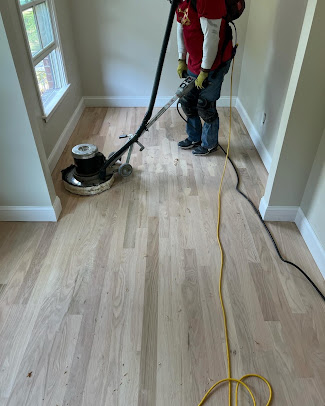
To successfully refinish hardwood floors, specific tools and materials are essential. A well-equipped toolkit can streamline the process and deliver a quality result. Understanding these essentials will make the refinishing project easier and more efficient.
Critical Tools
Proper tools and materials are critical for a successful hardwood floor refinishing project. A drum sander is necessary for stripping away the old finish and smoothing the wood surface, while an edge sander facilitates precise finishing along walls and corners. Sandpaper in various grits is required for achieving a smooth, even surface. A vacuum or dust collection system is necessary to remove debris during the sanding process. Additionally, a buffer can help create a polished look after applying the finish. Safety gear, including goggles and masks, protects the user from dust and fumes. Finally, a quality applicator and brushes provide an even application of the finish, elevating the final appearance of the hardwood floors.
Required Materials
Hardwood floor refinishing demands a selection of essential materials that deliver a successful transformation. Key components include sandpaper in assorted grits for proper surface preparation and a reliable floor sander to efficiently remove old finishes. A dust mask and safety goggles are essential for protection during relevant article the sanding process. After sanding, a quality wood stain enriches the floor's appearance, while a durable finish, such as polyurethane, provides enduring protection. Foam brushes and roller applicators are advised for even application of the stain and finish. Additionally, a vacuum cleaner or broom is needed for meticulous clean-up, ensuring no debris interferes with the refinishing process. These materials collectively contribute to achieving a beautifully refinished hardwood floor.
Complete Guide to Restoring Your Hardwood Flooring
While many homeowners may feel intimidated by the process, refinishing hardwood floors can be a manageable task with the right guidance. The first step involves removing all furniture and thoroughly cleaning the floor. Following this, using a sander, the old finish is stripped away, providing an even surface. It is vital to pay attention to corners and edges, frequently requiring a hand sander for precision.
After the floor has been sanded, it needs to be cleaned and wiped to eliminate dust. The application of a stain comes next, if desired, enabling color customization. When the stain dries, a finish is applied, typically in multiple coats for durability. Homeowners should guarantee proper drying time between each layer.
Finally, it is vital to allow the floor to cure for multiple days before bringing back furniture to prevent damage. Implementing these steps can help homeowners rejuvenate their hardwood floors to their former glory.
Deciding Between Oil-Based and Water-Based Finishes: Key Factors
How does one choose between oil-based and water-based finishes for hardwood floors? The choice often depends on several factors, including strength, drying duration, and appearance preferences. Oil-based finishes are recognized for their warm, rich tones and exceptional durability, making them ideal for high-traffic areas. Yet, they demand longer drying times and release stronger odors during application.
In contrast, water-based finishes dry quickly and are less smelly, which may attract homeowners prioritizing a low-VOC environment. They deliver a more natural appearance, keeping the wood's original color, but may not deliver the same depth as oil-based choices.
Ultimately, the decision should match lifestyle needs and personal style. For instance, families with pets or children might favor the durability of oil-based finishes, while those seeking a faster, cleaner application might opt for water-based alternatives. Evaluating these considerations will lead to an informed choice.
Top 5 Errors to Prevent When Resurfacing Your Flooring
When tackling the task of hardwood floor refinishing, homeowners often disregard critical missteps that can lead to unsatisfactory results. One of the most common mistakes is poor preparation; failing to clean and sand the floor properly can compromise the finish's adhesion. Another frequent error is selecting the wrong type of finish, which can affect the durability and overall appearance. Additionally, many overlook the importance of ventilation; appropriate airflow is vital for drying and curing the finish correctly. Timing is also critical; accelerating the process can create uneven results or damage to the newly applied finish. Finally, neglecting to test the finish on a small area can cause unpleasant surprises, such as an undesired color or sheen. By preventing these pitfalls, homeowners can secure a successful refinishing project that elevates the beauty of their floors.
Tips for Looking After Your Newly Refinished Floors
Once you've successfully avoided common mistakes in the refinishing process, maintaining the newly finished hardwood floors becomes essential for maintaining their beauty and longevity. Regular cleaning is critical; a soft broom or microfiber cloth can efficiently remove dust and debris without harming the surface. It is recommended to use a pH-balanced cleaner specifically created for hardwood floors to avoid damaging the finish.
Additionally, putting doormats at entryways can help limit debris and dirt tracked onto the floors. Homeowners should avoid using excessive water when mopping, as excess moisture can penetrate seams and result in warping.
In addition, furniture pads ought to be utilized to avoid scratches from moving items. Last but not least, implementing a no-shoes policy can greatly reduce wear and tear. By following these maintenance suggestions, residents can relish their beautifully refinished hardwood floors for years to come, guaranteeing they remain a stunning feature of their home.
FAQ
How Much Time Does Hardwood Floor Refinishing Usually Take?
Hardwood floor refinishing typically requires between three to five days. This duration includes sanding, staining, and sealing, with drying periods fluctuating based on the products used and environmental factors.
Is It Possible to Refinish My Floors Without Professional Assistance?
Individuals can indeed refinish their floors without professional assistance, given they have the necessary tools, knowledge, and patience. However, the process needs diligent preparation and close attention to obtain acceptable results.
What's the Price Range for Hardwood Floor Refinishing?
Hardwood floor refinishing costs typically fall between $3 to $8 per square foot. This price is influenced by factors such as the condition of the floors, the kind of finish used, and regional area.
What Is the Recommended Frequency for Hardwood Floor Refinishing?
Typically, hardwood floors require refinishing every 7 to 10 years, based on usage and wear. Routine care, including cleaning and polishing, may extend this interval, ensuring your floors stay vibrant and durable over the years.
Can You Safely Refinish Floors With Pets at Home?
Refinishing floors with pets in the home can be safe if precautions are taken. Maintaining distance between pets and the work area while providing adequate ventilation reduces dangers from fumes and dust.